Elemental Reactions in Genshin Impact: Complete Guide
Elemental reactions form the core of Genshin Impact’s combat system, shaping team identity, damage scaling and overall battle strategy. Each reaction offers unique mechanics, from high-amplification multipliers to crowd control and defensive tools. Understanding how reactions work, how they scale and how they interact with each other allows players to build powerful teams that maximize damage and efficiency across all types of content.
Amplifying Reactions: Melt and Vaporize
Melt and Vaporize are the strongest traditional reactions. They apply a multiplier to the triggering hit, allowing enormous burst damage. Melt occurs between Cryo and Pyro, while Vaporize occurs between Hydro and Pyro. When Pyro triggers Melt, the damage is multiplied by 2.0×; when Cryo triggers Melt, the multiplier is 1.5×. For Vaporize, Hydro triggering Pyro yields a 2.0× multiplier, while Pyro triggering Hydro deals 1.5×.
These reactions reward precise timing and stable aura application. Many of the highest single-hit damage showcases in the game rely on Melt or Vaporize, making them essential for burst-oriented teams.
Transformative Reactions: Overloaded, Electro-Charged, Swirl, Superconduct
Transformative reactions deal fixed damage based on character level and Elemental Mastery, unaffected by Attack or Crit. Swirl spreads elemental auras and deals additional elemental damage, making it perfect for crowd control. Electro-Charged deals damage over time to multiple enemies while spreading to nearby targets.
Overloaded creates a Pyro explosion that deals strong AoE damage but knocks lighter enemies away, which can disrupt certain combos. Superconduct reduces enemy Physical resistance, supporting characters that rely heavily on physical damage scaling.
Freeze and Shatter
Freeze occurs when Cryo and Hydro interact, immobilizing targets and preventing them from attacking or moving. Although Freeze does not deal direct damage, it provides exceptional crowd control and enables safe, uninterrupted rotations for the entire team. Shatter is triggered by Geo or heavy attacks on frozen enemies, causing a small AoE burst of Physical damage.
Freeze teams are among the safest and most consistent in the game, especially effective in content featuring fast or aggressive enemies.
Crystallize: Geo’s Defensive Reaction
Crystallize occurs when Geo interacts with Pyro, Hydro, Cryo or Electro, generating shields that provide resistance to the absorbed element. While Crystallize does not boost damage, it greatly enhances survivability by preventing interruptions and absorbing incoming hits. This makes Geo valuable for defensive or long-duration comps.
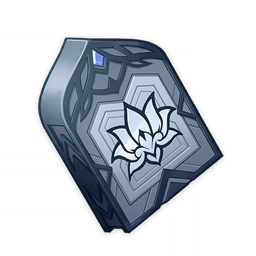
Crystallize shields allow players to maintain high uptime on charged attacks, Burst windows and skill rotations, improving consistency in extended encounters.
Dendro Reactions: Bloom, Hyperbloom and Burgeon
The introduction of Dendro brought some of the most influential reactions in the game. Bloom creates Dendro Cores when Hydro and Dendro interact. These cores explode after a delay, dealing AoE Dendro damage. Hyperbloom occurs when Electro triggers a core, sending a homing projectile that deals strong single-target damage. Burgeon happens when Pyro triggers the core, creating a large AoE explosion.
Bloom-based reactions scale entirely with Elemental Mastery, making them extremely accessible even with minimal artifact investment. Hyperbloom and Burgeon teams dominate Abyss rotations due to consistent, high-output reactions.
The Catalyze System: Quicken, Aggravate and Spread
Quicken occurs when Electro and Dendro interact, placing enemies in a special state that enables two separate reactions. Aggravate is triggered by Electro and adds a flat damage bonus to Electro hits that scales with Elemental Mastery and level. Spread increases Dendro damage in a similar way, boosting the output of Dendro-focused DPS characters.

These reactions offer stable, repeatable buffs without requiring precise timing, making Catalyze teams some of the most consistent and efficient in the game.
How Reactions Scale
Reactions fall into three categories: amplifying, transformative and additive (Catalyze). Amplifying reactions scale with all offensive stats, including Attack, Crit Rate, Crit Damage and DMG Bonuses. Transformative reactions scale only with Elemental Mastery and character level. Catalyze reactions add flat damage that is multiplied by the triggering hit’s scaling, providing hybrid scaling potential.

Because different reactions rely on different stats, players must tailor character builds according to the reaction their team relies on. For example, Hyperbloom units stack Elemental Mastery, while Melt or Vaporize DPS characters prioritize Crit and Attack.
Choosing the Right Reactions for Your Team
Reaction choice determines the core identity of a team. Melt and Vaporize excel at high burst damage, while Aggravate and Spread provide stable single-target output. Bloom-based reactions dominate multi-target scenarios, especially in Spiral Abyss. Swirl remains unmatched in elemental control and overall team amplification. Freeze teams provide unparalleled safety and consistency, and Crystallize protects team rotations through powerful shielding.

The best reaction for a team depends on available characters, preferred playstyle and the specific demands of content. Mastering reaction interactions ensures maximum efficiency and flexibility throughout the game.
Conclusion
Elemental reactions define Genshin Impact’s entire combat ecosystem. From multipliers and crowd control to shields and homing projectiles, each reaction offers distinct advantages that shape team strategies and character builds. Whether players seek burst damage, sustained output, crowd control or survivability, understanding reactions is the key to unlocking the game’s deepest combat potential.